

Gamifying Grace: How the New ‘Island’ App Transforms Screen Time from Guilt into Growth
Published on November 20, 2026 · 13 min read

The sun rises, and before your feet even touch the floor, your hand reaches for the device on the nightstand. The glow of the screen fills the room. A notification chimes. The day begins not with a quiet thought, but with a scroll. If this picture is uncomfortably familiar, you are not alone. For everyday Christians, the tension between our digital lives and our desire for a quiet, prayerful start to the day has never been greater. A new app called ‘Island’ hopes to change that by turning the discipline of staying off your phone into an actual game, but its success points to a deeper spiritual longing, a yearning for a different kind of connection.
The developers at Island are tapping into a profound truth: our relationship with technology is broken, and guilt alone cannot fix it. Their approach, which frames screen-time reduction as a cooperative, world-building game, offers a fresh blueprint not just for our digital habits, but for how we might re-center our spiritual disciplines with joy rather than obligation.
Understanding the ‘Island’ Revolution: More Than a Blocking Tool
Most screen-time apps function as digital prison wardens. They bark at you when you stray, lock you out of apps, and fill your notifications with shame-inducing weekly reports. Island, a recent entrant highlighted in the technology sphere, takes a dramatically different approach. Instead of punishing screen use, it rewards screen absence. It transforms the act of putting down your phone into a cooperative experience where you and your friends build a virtual world together. The longer you stay off your phone, the more resources you generate to cultivate a shared digital island.
This is a masterclass in behavioral psychology. It shifts the locus of control from external prohibition to internal motivation. You aren’t a rule-breaker waiting to be caught; you are a creator waiting to build. The app doesn’t just ask you to stop a bad habit. It invites you to start a good one. This distinction is not merely clever design; it is deeply reminiscent of the Christian understanding of sanctification, a process of putting off the old self not just by gritting one’s teeth, but by putting on the new self in Christ Jesus.
The Digital Epidemic by the Numbers
To appreciate why a tool like Island resonates so deeply, we must look honestly at the landscape of our digital consumption. The average user checks their phone dozens of times a day, often unconsciously. We scroll not to find something, but simply to avoid a moment of stillness. The data paints a picture of a society that is connected in every way except the one that matters most.

This number doesn’t even account for computer screens, televisions, or tablets. It represents a quarter of our waking hours, often stolen in 3-minute increments. For a believer trying to find time for prayer and scripture, this is the central crisis of our age. We say we don’t have time to read the Bible, yet the statistics suggest we are spending four hours a day baptized in blue light.
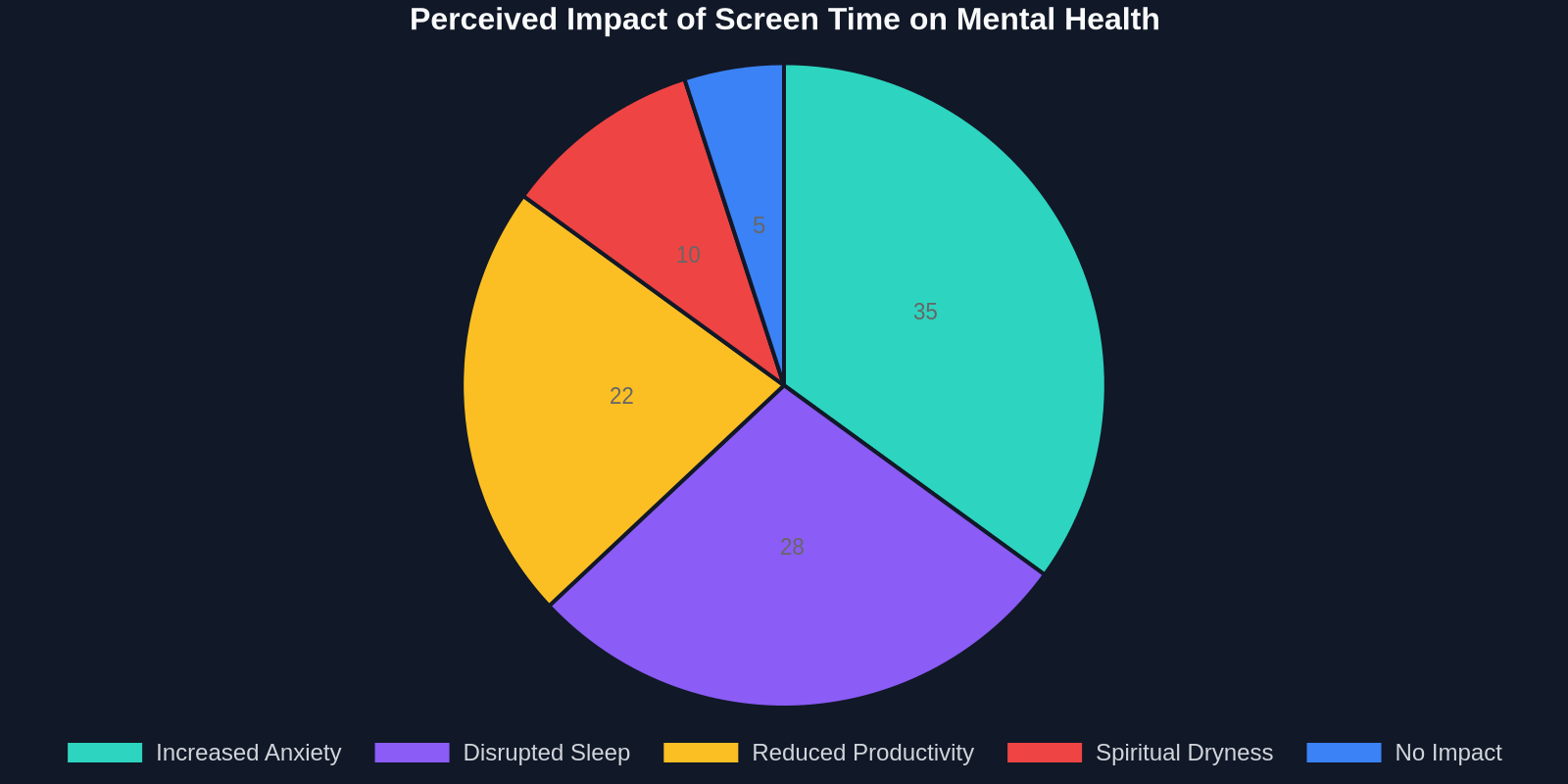
This is the paradox of the modern condition. We know the phone is making us anxious and distracted. We know it is the first thing we touch and the last thing we see. We feel the spiritual dryness that comes from a constant diet of news feeds and curated images. Yet, we feel powerless. Island steps into this gap, not by demanding a cold-turkey digital fast, but by providing a gentle nudge toward a better habit.
From Guilt to Gamification: A Digital Sabbath Mindset
The concept of a Sabbath, a day of rest and disconnection from labor, is ancient. It is a rhythm of cessation built into the created order. In the digital age, the idea of a “Digital Sabbath” has gained traction, but committing to 24 hours offline feels terrifyingly impossible for most of us. Gamification breaks this daunting task into bite-sized, grace-filled moments. You don't have to be perfect; you just have to take the next 30 minutes off.
This micro-discipline approach treats the spiritual journey like the game of Island treats its world. We build brick by brick, line upon line, precept upon precept. We are not expected to master our impulses in a single day. The grace of God meets us in the small, repeated act of turning away from the noise to listen.
The First Battle of the Day
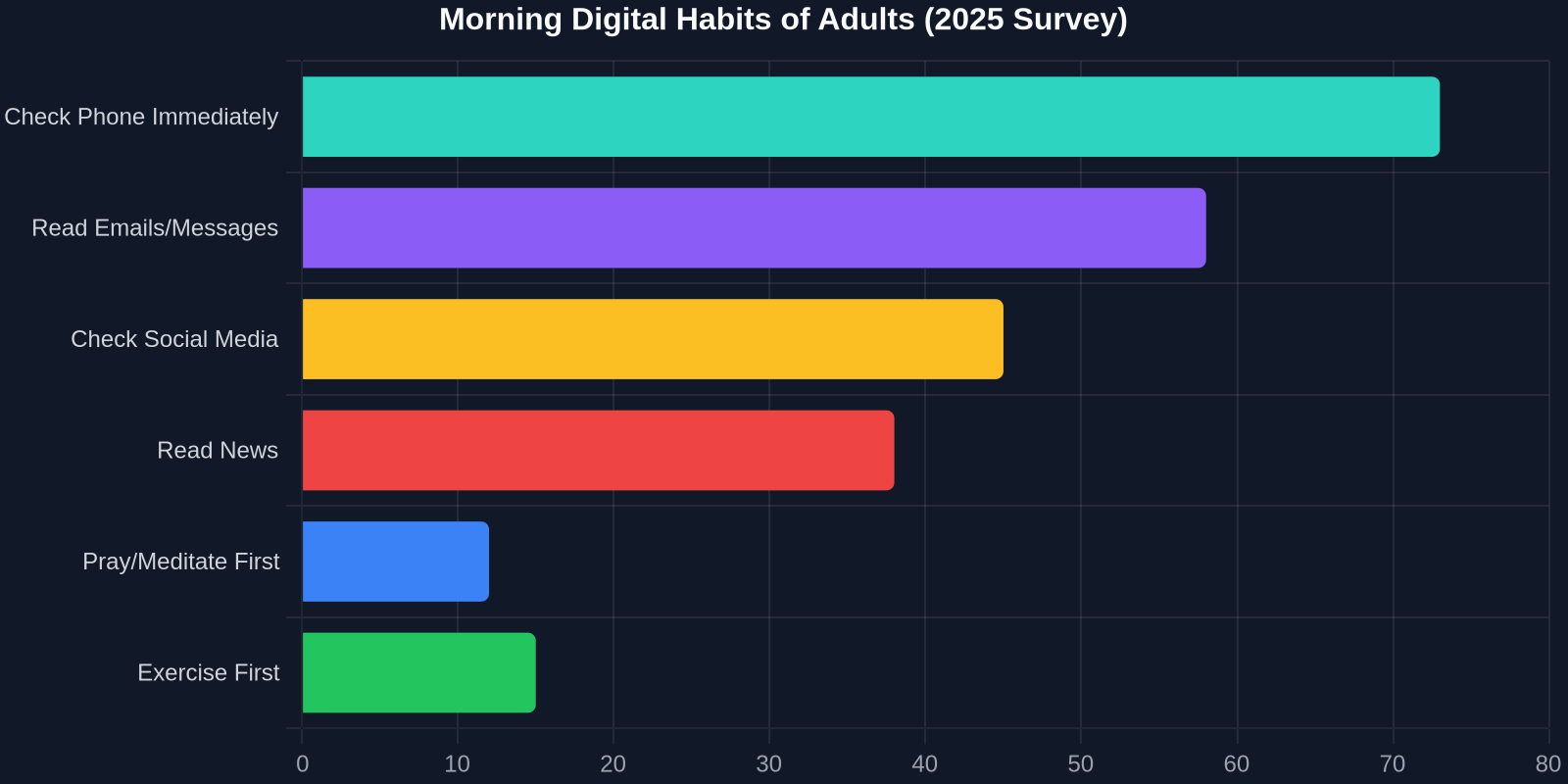
For many Christians, the morning is the battlefield where the day is won or lost. The founding fathers of the faith rose early to pray. “In the morning, O Lord, thou shalt hear my voice; in the morning will I direct my prayer unto thee, and will look up.” (Psalm 5:3, KJV). Yet, modern habit research shows that the waking moments are now colonized by email and social media.

| Moment | The Default Habit | The Captive Alternative | The Spiritual Discipline |
|---|---|---|---|
| Wake-up trigger | Grab phone, check notifications | Leave phone across the room | Reach for a physical Bible or widget verse |
| First 5 minutes | Scroll headlines/social feeds | Recite the Lord's Prayer | Meditate on a single Proverb |
| Morning routine | Podcasts/News streaming | Silence or instrumental hymns | Listening for the still, small voice |
| Commute (if applicable) | Doom-scrolling traffic updates | Observing creation out the window | Praying for the city you pass through |
The table reveals a painful truth: our default habits are not neutral. They are forming us. When we grab the phone to check “what we missed” overnight, we are training our souls to be reactive rather than reflective. We are letting the agenda of the world set the tone before the Word of God has had a chance to speak. Vesper offers a simple way to see a daily KJV verse on the Lock Screen, gently redirecting that first glance toward eternity rather than the latest outrage cycle.
This is not merely a statistic; it is a crisis of formation. We are turning to a digital master for a daily briefing before acknowledging the Creator of the universe. Island’s gaming mechanism, which rewards the absence of that morning touch, acts as a prophet to a sleeping generation, calling us to reclaim our first fruits.
Solo Isolation vs. Covenantal Community
One of the most compelling theological metaphors embedded in the Island app is its emphasis on community. In the app, you don't just build an island alone; you contribute to a shared world with your friends and family. This directly counteracts the isolating nature of the smartphone. A person scrolling Instagram alone in a room is not connected; they are isolated in a crowd of avatars. Island reorients the goal toward a communal good.
"Two are better than one; because they have a good reward for their labour. For if they fall, the one will lift up his fellow: but woe to him that is alone when he falleth; for he hath not another to help him up." (Ecclesiastes 4:9-10, KJV)
The Christian life is not a solo expedition. It is a pilgrimage of the church. When we fight our vices in secret, we often fail. When we invite our community to garden with us, sharing our struggles with screen time, and asking for prayer and accountability, we find a grace that a software lock could never provide. The local church is the ultimate “shared island,” a place where we build a culture of presence together.
The Hidden Cost of a Distracted Mind
When the Apostle Paul writes, “Be still, and know that I am God,” (Psalm 46:10, KJV), he identifies a threat that is more dangerous today than ever. The loss of stillness is the loss of identity. Constant input crowds out the ability to know God and know ourselves. The Island app gamifies stillness, but for the believer, stillness is its own reward. It is in the quiet that we recognize our sin, receive our forgiveness, and recalibrate our loves.

The soul is not a machine. It cannot be fed a relentless stream of content without becoming sick. God designed our bodies and souls for a rhythm of engagement and rest, of sowing and fallowness. When we ignore that rhythm, we break down. The gamification of screen time is an attempt to trick our dopamine-seeking brains into accepting rest, but the deeper need is a spiritual one. We don't just need a dopamine detox; we need the living water that only Christ provides.
A Liturgy for the Lock Screen
While Island turns the phone’s absence into a game, a holistic approach also needs to sanctify the phone’s presence. For those times we must use the device, what if it became a means of grace? If the home screen is the gatekeeper of our attention, it should be guarded by wisdom. Instead of a blank grid of colorful, addictive icons, what if it was a threshold? A place where, before the news, we encounter the good news.
This is where the ancient practice of fixed-hour prayer meets modern technology. The desert fathers would pause at set times to pray. In a scattered world, a simple widget is a modern bell calling us back to the center. It is a whisper that says, “Seek ye first the kingdom of God, and his righteousness; and all these things shall be added unto you.” (Matthew 6:33, KJV). By placing scripture in the space where we usually see a stock ticker or a traffic report, we are engaging in a small act of defiant, digital liturgy.
The Science of the Scroll vs. The Wisdom of the Word
Why is scrolling so addictive? The “infinite scroll” mechanic mimics a slot machine. We pull down to refresh hoping for a variable reward, a like, a funny video, a breaking piece of news. This variable reinforcement schedule is the most addictive pattern known to behavioral science. It is literally designed to waste our time. The scripture, in contrast, functions on a principle of deep, consistent revelation. It does not change. Its reward is not variable but constant. The peace of God is not a dopamine hit; it is a steady anchor.
Island breaks the variable reward cycle by creating an alternative variable reward system: the growth of the virtual world. This is an intermediate step, a bridge away from the casino of social media. But the ultimate destination is not a virtual island in a game. The ultimate destination is the grounding presence of the eternal God. Moving from scrolling to gaming to resting is a valid spiritual journey. The game can be a crutch, but we should not mistake the crutch for the healing. The healing is in the presence of God.
Practical Steps to Reclaim Your Morning Watch
How does an everyday Christian with a packed schedule begin to push back? You don't need to move to a monastery. You just need to start cultivating the digital soil of your life. Here are a few small habits that can yield a harvest of righteousness and peace.
- Charge Your Phone Outside the Bedroom: Purchase a simple alarm clock. The phone is a thief of sleep and the morning dew of mercy. Remove it physically from your sleeping space. The act of walking to retrieve it creates a barrier that laziness easily overcame.
- The No-Click Covenant: Commit that the first time you see a verse on your screen in the morning, you will not click past it until you have read it aloud, considered it, and responded in a brief prayer. Even 60 seconds of this practice changes the neural pathways of your morning.
- Gamify Your Scripture Memory: If Island proves we like games, play a game with the Word. See how many days in a row you can recite the verse from the screen from memory before your coffee is done brewing. Share your “streak” with a believing friend for godly competition.
- Use Grayscale Mode: Go to your phone’s accessibility settings and turn the screen to grayscale. The vibrant, candy-colored world of apps loses its addictive power when presented in shades of gray. It’s a simple bio-hack that honors the beauty of the real world.
When the Game Ends, Grace Begins
The Island app represents the best of human ingenuity applied to a spiritual problem. It is a common grace that can help reorder our loves. However, technology can only restrain the flesh; it cannot redeem it. An app can motivate you to check your phone less, but it cannot forgive the sin of a wasted morning. It can incentivize presence with your family, but it cannot conjure the love required to delight in that presence.
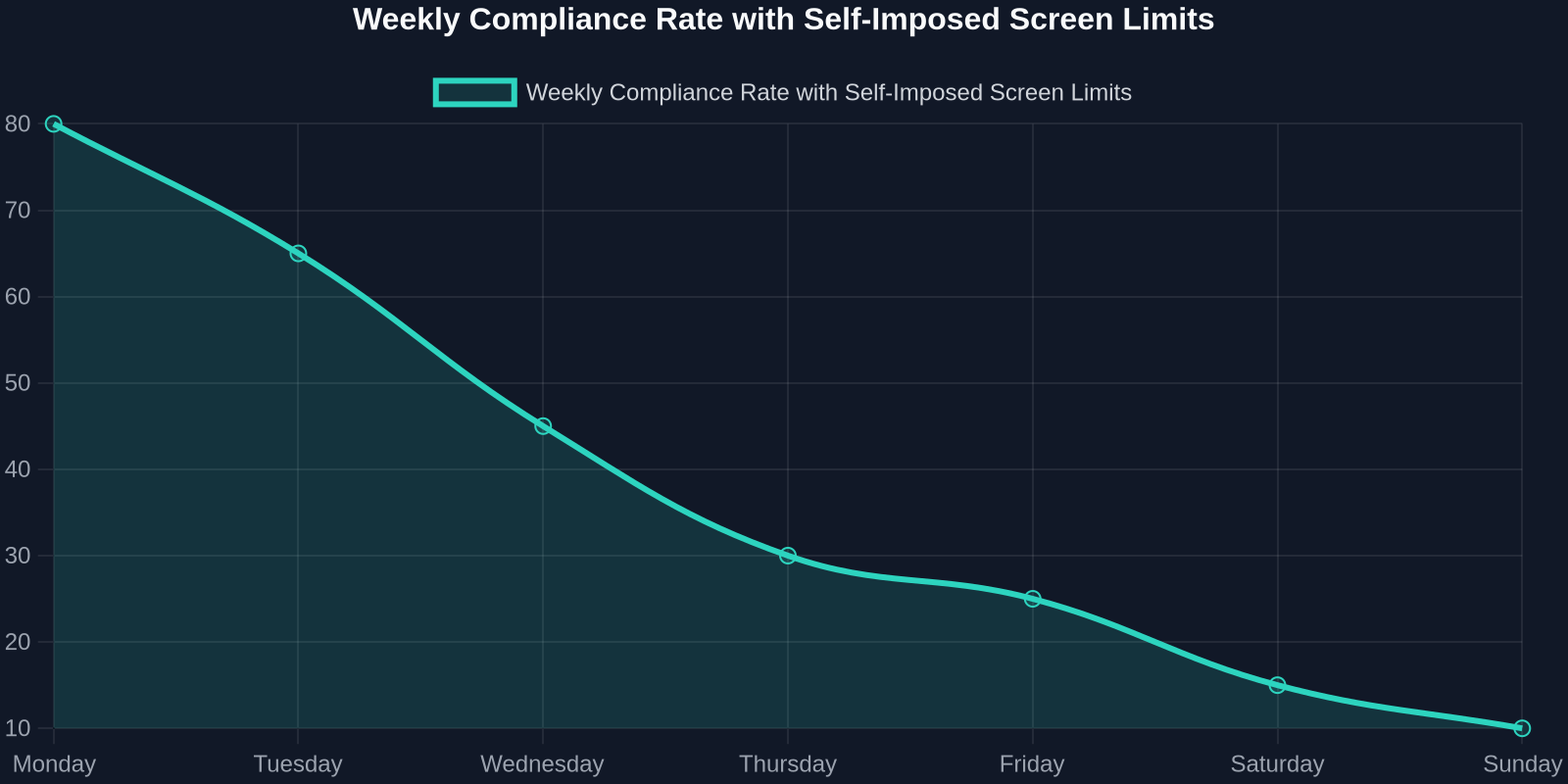
The law of the screen-time limit functions like the Mosaic law. It reveals our bondage. It shows us that we are slaves to the notification. We try harder, we set the limit, and we break the limit. We feel the shame of the pop-up: “You have ignored your limit.” Island offers a reprieve from the legalism of screen-time apps by moving the focus off the failure and onto the promise of the shared island. But even a shared digital island will one day pass away.
“Looking unto Jesus the author and finisher of our faith; who for the joy that was set before him endured the cross, despising the shame, and is set down at the right hand of the throne of God.” (Hebrews 12:2, KJV)
The ultimate “game” is the race of faith. The ultimate reward is not a virtual world built with friends, but the real presence of the Friend of sinners. The tools that help us put down the phone are good servants, but they are poor masters. Use the app. Take the challenge. Build the space for quiet. But when the phone is down, don’t just stare at the wall. Open the window. Look at the actual sky. Open the timeless Book. Let the silence be filled not with the dull anxiety of what you are missing online, but with the quiet assurance that in Christ, you lack nothing.
This week, consider a small experiment: treat your morning lock screen not as a portal to the world, but as a holy doorpost. Let the word of God be the first thing that greets your eyes, a daily bread that tastes sweeter than any fleeting digital entertainment.